Thursday, February 15, 2024
7:30am-5:00pm
Thursday - 2/15/24
Registration Counters Open
X-10
|
|
|
8:00am
Thursday - 2/15/24
Continental Breakfast - For Diamond, Platinum, Super Pass, Enterprise, Exhibitor/Conference, Speaker, Press Pass Holders
X-11
|
|
|
8:30-9:15am
Thursday - 2/15/24
Opening & Welcome
AST-01

Asterisk Project Lead
Sangoma Technologies

VP of Software Engineering
Sangoma

Software Engineer
FluentStream

Director of Open Source
Sangoma Technologies
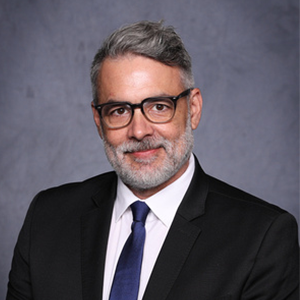
VP, Open Source Sales
Sangoma
|
|
|
9:15-10:30am
Thursday - 2/15/24
Interesting Developments in Kamailio
AST-02

CEO
Evariste Systems LLC
An enlightening update on the latest module, best practices, and methodologies unfolding in Kamailio. Special focus is placed on the introduction of SIPExer, a new automated utility which facilitates testing and monitoring of SIP signaling servers, and configuration directives aimed to make containerized deployment easier.
|
|
|
10:30-11:15am
Thursday - 2/15/24
FreePBX: A Year's Journey and the Road Ahead
AST-03

VP Support
Sangoma Technologies
Director of Open Source
Sangoma Technologies
In this joint presentation, Lorne will provide a summary of the recent major changes and improvements made to FreePBX. He will focus on the significant events that have shaped the platform over the last year or more. Next, Chris will turn the spotlight toward the future. He will share the team's plans and insights on FreePBX, and provide a glimpse into the strategic roadmap that is set to drive FreePBX's horizon.
|
|
|
11:15-12:00pm
Thursday - 2/15/24
VoIP 3.0 - The Future of VoIP and AI
AST-04

Voicenter CTO
Voicenter- cloud contact center
The evolution of AI in recent years has fundamentally changed our perception and interaction with technology. In the realm of telephony, a profound shift has been observed from a simple SIP-based PBX to the AI Cloud.
Incorporating AI into Asterisk has opened up possibilities that underscore the substantial potential AI holds within VoIP with use cases like: Voice BOTs, Call transcription, Call summarization, Emotional analytics, Improved Call Routing, Optimized lead-to-agent matching, Anti-fraud voice analysis, and more.
The session also delves into the integration of Asterisk with AI solutions, exploring the intersection of VoIP and AI, from their integrations to everything in between.
|
|
|
11:00am-5:00pm
Thursday - 2/15/24
AstriCon/ITEXPO #TECHSUPERSHOW Expo Hall Open
X-12
|
|
|
12:00pm
Thursday - 2/15/24
1:00-1:45pm
Thursday - 2/15/24
Integrating Call Transcription with FreePBX
AST-05

CTO and Threads Principal Software Engineer
Threads Software Ltd
Navigate through deploying top-tier call transcription using FreePBX systems, conquering CDR limitations with the CEL, and mastering call summarization.
Experience a real-world case study detailing challenges faced during FreePBX integration and discover strategies to tackle them effectively. This talk will compare and contrast the use of a FreePBX callplan and API with the generic method of intercepting SIP traffic directly from the subscribers LAN.
Lastly, grasp how AI enhances transcripts, extracts crucial data like credit card numbers, and generates concise, AI-powered call summaries for quick call overviews.
|
|
|
1:45-2:30pm
Thursday - 2/15/24
Approaches for Transcription and AI with Asterisk
AST-06
Asterisk Project Lead
Sangoma Technologies
Asterisk has evolved over time introducing different methods for providing audio to developers and deployers, both within and beyond its own framework. This talk will go over the history of these various methods in Asterisk, shedding light on their implementation specifics, and the possibilities they unlock. Details of how this can be leveraged for transcription and AI will also be provided.
|
|
|
2:30-3:15pm
Thursday - 2/15/24
#DoMore with Asterisk - Going Beyond the PBX
AST-07

CEO
Cloudonix, Inc
Asterisk is great and we all love it - but with a little help, Asterisk can be more - WAY MORE! In this 45 minute talk we'll show you how Cloudonix customers use Asterisk to #DoMore - turning their existing Asterisk installation into a business Communications Power House.
|
|
|
3:15-4:00pm
Thursday - 2/15/24
Asterisk in Boeing 787
AST-08

Manager
SysNux
The international airline company of French Polynesia was looking for someone to undertake the most surprising project: Building the internal communications system, used by the crew of their new Boeing 787 Tahitian Dreamliner fleet!
OK, that's not exactly true.
What they really sought was a communications system for their training center that could mimic the real system. Still, the platform replica required simple calls between crew members, conference calls, urgency calls, public address, phone books… It even needed ringing and signaling calls to light up LEDs on the emergency exit signs!
Asterisk was up to the task, largely due to ARI. This session describes the specific requirements, delivered solutions, and challenges faced.
|
|
|
4:00-4:30pm
Thursday - 2/15/24
Wrap-up: State of the Asterisk Project
AST-09
Asterisk Project Lead
Sangoma Technologies
Time flies when you’re innovating! It feels like we just launched Asterisk 20, and yet, we’re already celebrating the release of Asterisk 21. In this dynamic update, we’ll journey through the project’s progress over the past year, delve into the groundbreaking work accomplished, and offer a sneak peek into the exciting developments lined up for Asterisk 22. Buckle up for a thrilling ride into the future of Asterisk!
|
|
|
4:30-6:00pm
Thursday - 2/15/24
25th Anniversary Soiree
AST-10
Join us as we journey through the stars and celebrate a remarkable milestone at our Anniversary Soiree. This year, we’re commemorating 25 years of Asterisk - a beacon of innovation that has revolutionized the way we communicate. From humble beginnings to becoming a global phenomenon, Asterisk has been at the forefront of change, shaping the future with its groundbreaking technology. This gathering will be a tribute to the past, a celebration of the present, and a glimpse into the future of Asterisk. Don’t miss this opportunity to connect with pioneers, visionaries, and fellow enthusiasts. Together, let’s raise our glasses and celebrate Asterisk on its 25th Anniversary!
|
|
|
8:00-10:00pm
Thursday - 2/15/24
AstriCon/ITEXPO #TECHSUPERSHOW Networking Live Party
X-15
|
|
|